
Google and Samsung Revolutionize Mobile Experience with New AI-Powered Features on the Galaxy S26 Series
By Minal Hossan
 By Minal HossanPublished on February 06, 2026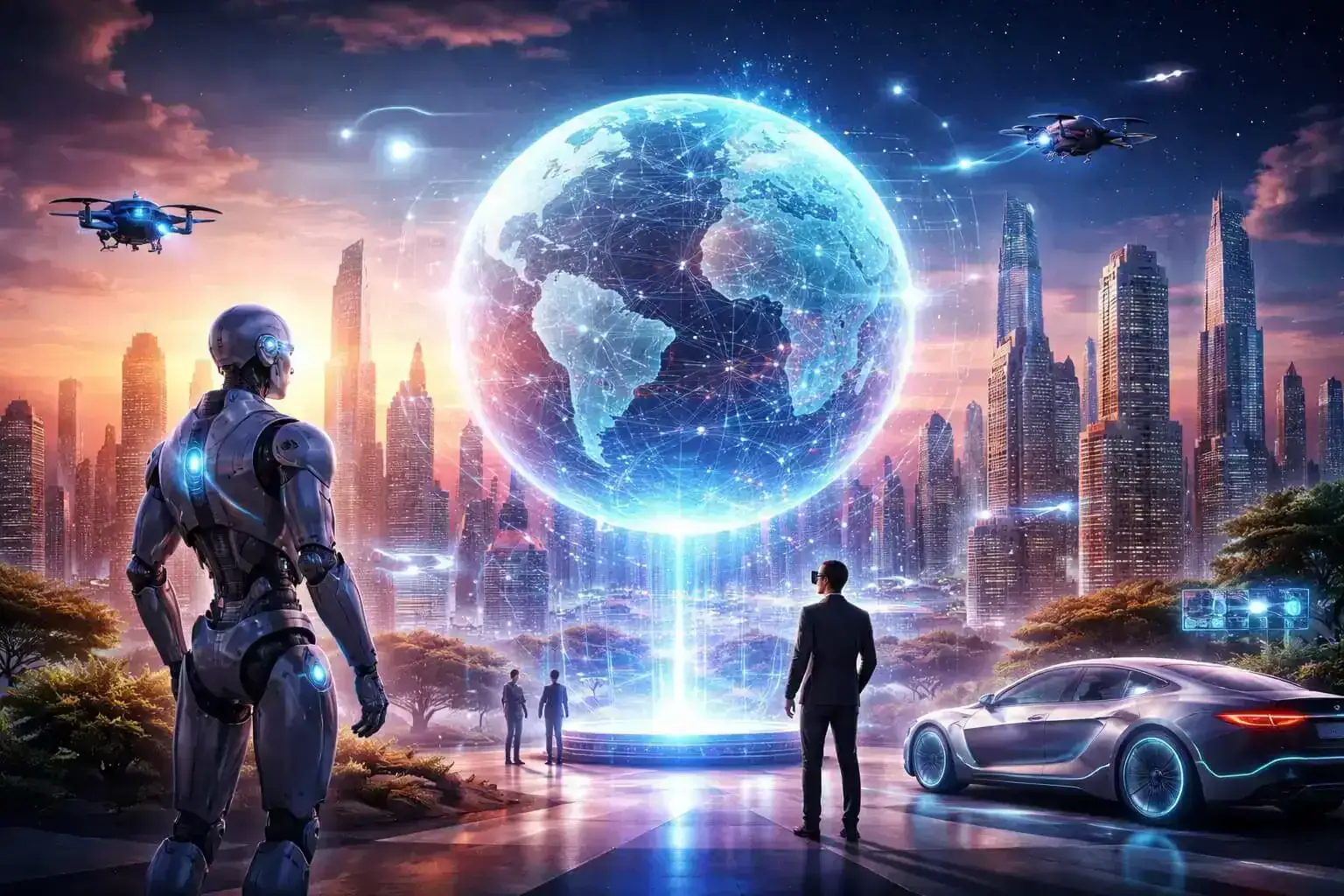
Innovation is the driving force behind the changes we see in the world today. As we approach 2026, the pace of technological advancement is set to accelerate even further, bringing about profound shifts in industries, economies, and how we live our daily lives. From groundbreaking developments in artificial intelligence (AI) to the rise of the metaverse, these changes are not just about improving existing technologies but about opening entirely new doors to the future. In this article, we’ll explore the key trends set to shape the future of innovation in 2026, providing a glimpse into the world that’s just around the corner.
AI has already had a huge impact on industries like healthcare, finance, and entertainment. But by 2026, AI is expected to become even more sophisticated, ushering in an era of hyper-personalization. Whether it’s recommendations for shopping, personalized news feeds, or tailored healthcare solutions, AI will use vast amounts of data to understand individual preferences at an unprecedented level.
For consumers, this means every interaction with digital platforms will feel more intuitive. For instance, smart assistants will get smarter, anticipating your needs before you even voice them. In retail, AI will help brands predict what you’ll want to buy next, not just based on past purchases but on emerging trends and shifts in your interests.
For businesses, this trend presents opportunities to provide more personalized customer experiences, which will drive higher engagement and conversion rates. AI will help companies build better relationships with their customers, offering them exactly what they want, when they want it.
Quantum computing is often discussed as a game-changer, but by 2026, we’re likely to see these discussions become more concrete. While quantum computers are still in their infancy today, they have the potential to solve problems that are currently unsolvable with today’s classical computers.
Quantum computers harness the power of quantum mechanics, allowing them to perform calculations exponentially faster than traditional computers. This opens up a whole new realm of possibilities, from predicting climate changes with greater accuracy to solving complex medical problems like finding cures for diseases more efficiently.
Industries that rely on data-heavy tasks, like pharmaceuticals, finance, and logistics, will be transformed by quantum computing. It could lead to breakthroughs in drug development, supply chain optimization, and secure encryption, making data much safer from cyber threats.
When we talk about Extended Reality (XR), we’re referring to technologies like Virtual Reality (VR), Augmented Reality (AR), and Mixed Reality (MR). By 2026, these technologies will become mainstream, impacting everything from entertainment to education and even our daily work lives.
The term “metaverse” has become a buzzword in the tech industry, and by 2026, it could be much more than just a trend. As VR and AR technologies improve, the metaverse will likely become an immersive virtual environment where people can interact, socialize, work, and even shop.
For businesses, the metaverse offers a whole new way to engage with consumers. Imagine virtual stores where you can try products in a simulated environment before purchasing or holding virtual meetings that feel as real as face-to-face interactions.
XR technologies will also revolutionize sectors like education and healthcare. In education, students will be able to explore virtual worlds, attend immersive lectures, or participate in simulated labs that make learning more engaging and effective. In healthcare, AR can be used to assist surgeons in performing complex procedures, enhancing accuracy and improving patient outcomes.
The rollout of 5G networks has begun, and by 2026, these networks will become fully integrated into our lives, unlocking a host of new opportunities in IoT (Internet of Things), autonomous vehicles, and more.
5G isn’t just about faster internet speeds. The real game-changer is its ability to handle an unprecedented number of connected devices at once, with very low latency. This will allow for the seamless integration of smart devices in our homes, cities, and even workplaces.
For consumers, 5G will enable everything from ultra-fast download speeds on smartphones to more reliable and efficient smart home systems. It’ll also power the next wave of autonomous vehicles, allowing cars, trucks, and drones to communicate with each other in real-time for enhanced safety and efficiency.
By 2026, 5G will help expand the Internet of Things (IoT) into the Internet of Everything (IoE), where nearly every object, from fridges to traffic lights, is connected and communicates with one another. This will create smarter cities, more efficient transportation systems, and more personalized experiences in virtually every aspect of life.
While blockchain is most commonly associated with cryptocurrencies like Bitcoin, by 2026, this technology will be impacting far more than just finance. Blockchain’s ability to provide secure, transparent, and decentralized record-keeping will lead to its adoption across various industries.
Blockchain will revolutionize supply chains by providing a transparent, immutable record of every transaction, making it easier to track goods from production to delivery. This will help reduce fraud, improve efficiency, and increase trust between companies and consumers.
In healthcare, blockchain can be used to securely store and share patient data, ensuring privacy while also making it easier for medical professionals to access vital health information in real-time. It could also streamline clinical trials, reducing the time it takes to bring life-saving treatments to market.
One of the most exciting areas of blockchain innovation is decentralized finance (DeFi). By 2026, DeFi could fundamentally change the way we interact with money, removing intermediaries like banks and enabling peer-to-peer financial services. This could lower costs, increase accessibility, and make financial services more transparent and inclusive.
As climate change continues to be a major global issue, technology is playing a critical role in driving sustainability efforts. By 2026, we’ll see a greater emphasis on green technologies that reduce carbon emissions, conserve resources, and promote sustainability across industries.
Renewable energy sources like solar and wind will become even more efficient and cost-effective, making it easier for businesses and individuals to transition to cleaner energy. In particular, green hydrogen will become a viable alternative to fossil fuels, offering a cleaner way to power industries, transportation, and more.
Technologies that capture carbon emissions and recycle them will gain momentum, helping industries reduce their environmental impact. Smart cities, powered by IoT and AI, will become more efficient, using real-time data to optimize everything from energy use to waste management.
Advancements in biotechnology will have a huge impact on healthcare by 2026, leading to new treatments, cures, and ways to extend the human lifespan.
Gene-editing technologies like CRISPR will be used to treat genetic disorders, offering hope for conditions that were once considered untreatable. Personalized medicine, driven by AI and genomics, will allow doctors to tailor treatments specifically to an individual’s genetic makeup, improving outcomes and reducing side effects.
Stem cell therapies and tissue engineering will make it possible to regenerate damaged organs and tissues, opening new doors for treatments in areas like organ transplants and injury recovery. These advancements could also play a key role in extending lifespan and improving quality of life.
The future of innovation is a thrilling one, filled with opportunities and challenges. The technologies shaping 2026—from AI and quantum computing to blockchain and green tech—will redefine how we live, work, and interact with the world around us.
For businesses, staying ahead of these trends will be crucial to remaining competitive and relevant. For consumers, these innovations promise to create more personalized, efficient, and sustainable experiences. While there are still challenges to overcome, the future of innovation is bright, and the possibilities are endless.