
iPhone 17 vs iPhone 17 Pro: Which One Should You Choose in 2026?
By Minal Hossan
 By Minal HossanUpdated on January 31, 2026
The smartphone industry in 2026 looks significantly different from what consumers were used to even a couple of years ago. The U.S. market, in particular, has evolved into a highly mature ecosystem where buyers expect more than just bigger screens or faster chips.Best Smartphones USA 2026, Today’s smartphone shoppers want real-world performance, AI-powered personalization, seamless ecosystem connectivity, outstanding security, and long-term value that justifies premium price tags.
Manufacturers have responded with devices that feel more like intelligent companions than simple communication tools. Battery efficiency is reaching new milestones, cameras are moving closer to professional-grade imaging, and on-device AI has become the new standard for speed and personalization. In short, 2026 marks a pivotal year where smartphones transition from being tools to becoming deeply integrated digital partners.Best Smartphones USA 2026.
This guide breaks down everything you need to know—from top flagship choices to mid-range winners and budget-friendly picks—written for U.S. readers who want clarity, authenticity, and expert-level guidance.Best Smartphones USA 2026.
Several major shifts have made 2026 one of the most important years in the smartphone timeline:
Phones no longer depend solely on cloud AI. Dedicated AI cores now handle:
This means faster execution, higher privacy, and smoother experiences.
With 3nm+ fabrication, chipmakers like Apple, Qualcomm, and Google achieved:
Consumers now feel a real difference in day-to-day tasks—not just synthetic benchmarks.
From 45W fast charging iPhones to 120W OnePlus devices, U.S. consumers are experiencing true “plug-and-go” convenience.
2026 cameras focus less on megapixels and more on:
The result? Photography has become more cinematic, natural, and creator-ready.
Brightness and refresh rate improvements now benefit:
All of these advancements combine to make 2026 the most impactful smartphone year yet.
Consumers often hear terms like “3nm processors” or “AI engines,” but what do they actually mean?
Let’s break it down in a clean, human way.
A smartphone’s CPU (central processing unit) manages everyday tasks—email, apps, browsing—while the GPU (graphics processing unit) handles visuals like gaming, animations, and camera rendering.Best Smartphones USA 2026.
Flagship chips like A19 Pro, Snapdragon 8 Gen 5 Elite, and Tensor G5 deliver laptop-level performance in your pocket.
The biggest upgrade in 2026 smartphones is the AI engine. It quietly improves your experience across multiple areas:
These are not gimmicks—they genuinely make smartphones more personal and efficient.
High performance means nothing if your phone overheats.
2026 devices now include:
This translates to:
Now let’s break down the best flagship phones available in the United States. Each section includes a human-style, marketing-technical explanation so readers understand the true value behind each device.
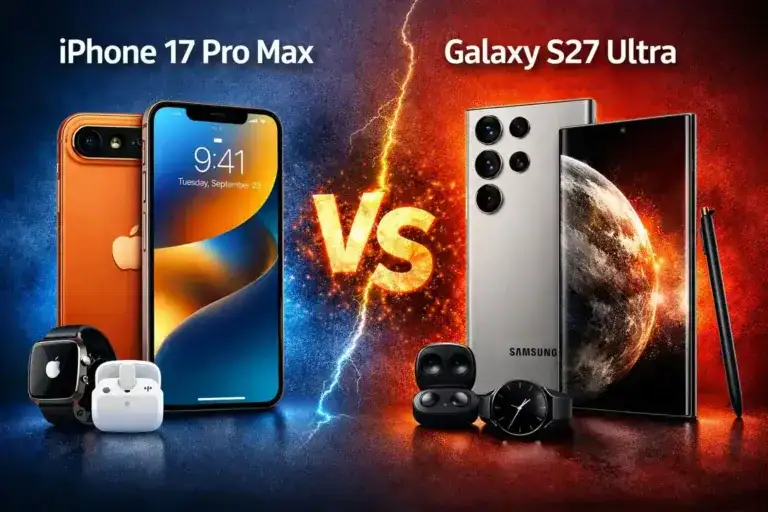
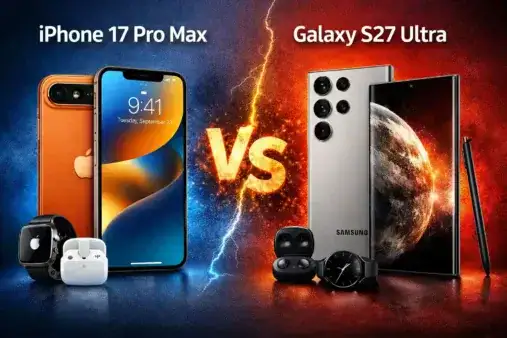
The iPhone 17 Pro Max continues Apple’s trend of blending hardware excellence with ecosystem power. Built with a refined titanium armor frame and a stunning 6.8-inch ProMotion OLED display, the phone delivers a premium feel that is instantly recognizable.
Powered by the A19 Pro 3nm+ chip, the device offers incredible processing speed with low energy consumption. The improved Neural Engine makes on-device AI smoother and more consistent, especially during video recording, photo editing, and multitasking.
If you create content—or want a phone that just works consistently—the 17 Pro Max is one of the safest and smartest choices in the U.S. market.
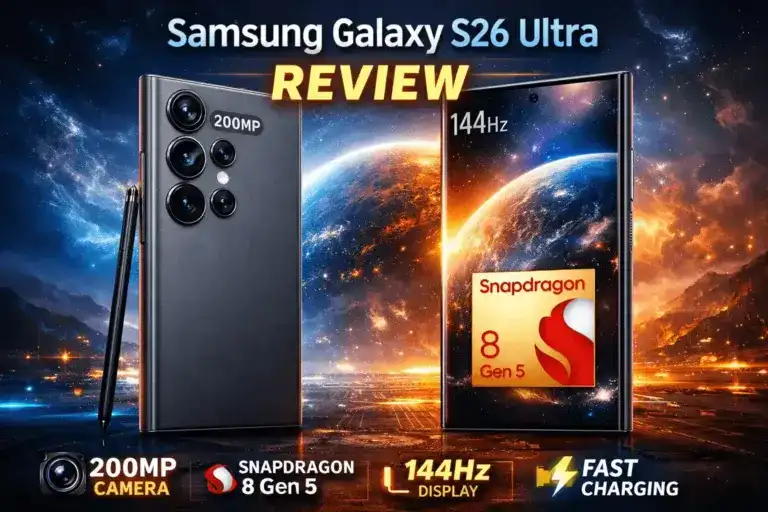
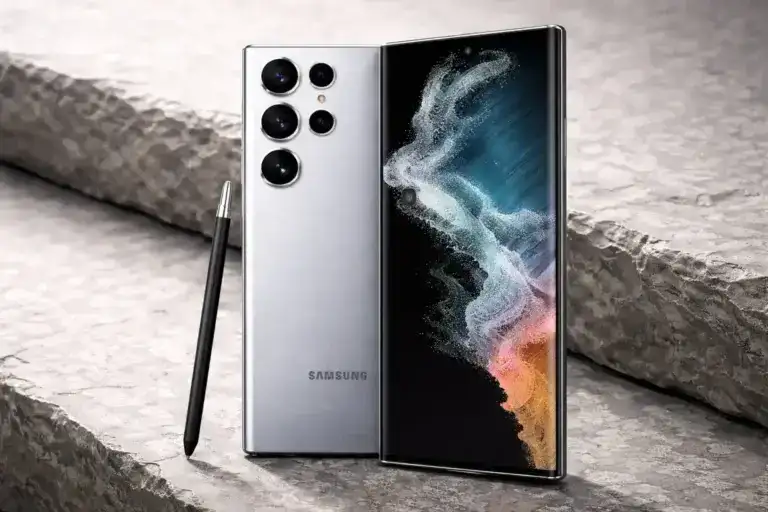
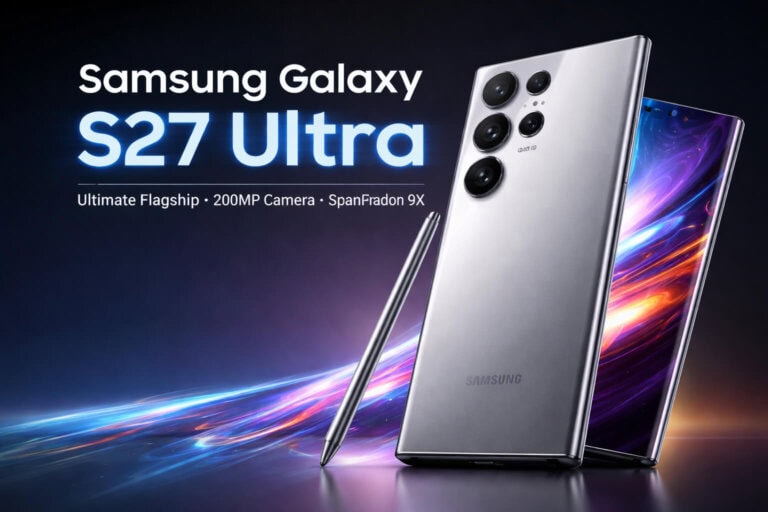
Samsung’s 2026 Ultra model continues to dominate the Android flagship landscape. With its bold, squared-off industrial design, built-in S Pen, and stunning 6.9-inch AMOLED display pushing 3500 nits, the S26 Ultra stands out as a device built for power users.
Running on the Snapdragon 8 Gen 5 Elite, this device delivers laptop-grade performance while maintaining impressive heat control. The improved vapor chamber cooling ensures consistent results even during long gaming or video editing sessions.
If you love photography, productivity, and gaming, the S26 Ultra hits every mark.
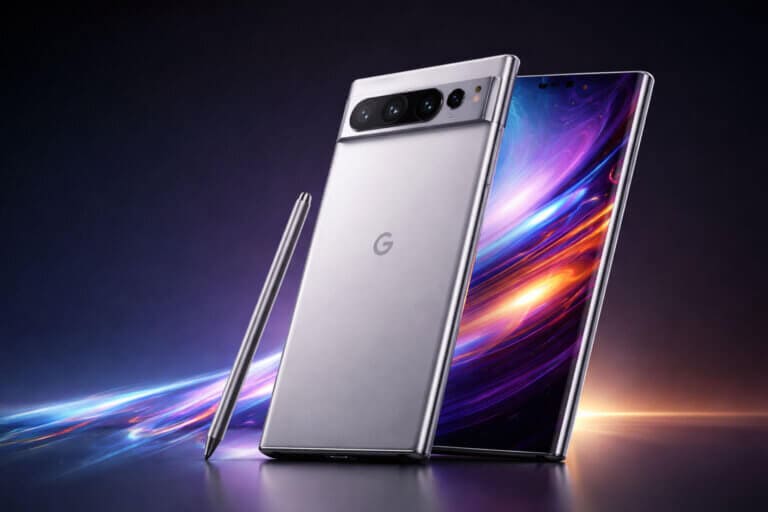
Google’s Pixel 10 Pro XL is the perfect blend of clean software, intelligent AI, and flagship-grade cameras built for U.S. users who prioritize simplicity and outstanding photography. It runs on the latest Google Tensor G5 chip, which is optimized for AI-driven operations rather than brute-force processing.
The Tensor G5 isn’t the fastest chip in raw numbers, but it is incredibly smart. It uses on-device AI to enhance photos, reduce noise, transcribe speech in real time, and assist with productivity. It’s the best phone for users who want a fuss-free, intuitive, and reliable everyday device.
For travelers, creators, and everyday consumers who care about camera quality, the Pixel 10 Pro XL is a top-tier recommendation.
The OnePlus 14 Pro focuses on speed, charging, and a clean Android interface—all wrapped in a sleek and lightweight frame. It’s one of the fastest Android phones available in the U.S. and continues to appeal to users who want performance without the ultra-premium price.
Powered by the Snapdragon 8 Gen 5, the phone delivers exceptional speeds with minimal throttling. Whether you’re gaming, editing videos, or managing multiple apps, the 14 Pro maintains consistent performance.
For users wanting flagship performance with better value, OnePlus 14 Pro is a strong 2026 contender.
Motorola’s 2026 flagship surprises many with its incredible 7000 mAh battery, making it the longest-lasting smartphone available in the U.S. market. Combined with a lightweight design, it’s perfect for heavy travelers, riders, field workers, and anyone tired of charging their phone twice a day.
Running the Snapdragon 8 Gen 5, the device handles multitasking and gaming well. It also offers a bright AMOLED display and reliable 80W fast charging.
It’s not the best camera phone, but for battery-focused users, Motorola Edge X is the #1 choice.
Mid-range phones are more capable than ever, offering flagship-level performance at almost half the price. These phones dominate the U.S. market due to their balance of value and functionality.
The Pixel 8a is the most reliable mid-range smartphone in the U.S., primarily due to Google’s AI-first approach and superior camera software.
It’s ideal for students, casual users, and anyone who wants flagship features without the flagship price.
The Galaxy A86 strikes the perfect middle ground between performance and affordability.
It’s the perfect phone for users who want Samsung’s design language and reliability without the premium price.
The Nord 5 Lite offers excellent value with near-flagship performance and lightning-fast charging.
Ideal for gamers and speed-lovers on a budget.
MORE AT – AMAZONE
These phones focus on practicality—battery life, durability, and reliable performance. They’re perfect for light users, teens, backup devices, and budget-conscious buyers.
A U.S. bestseller known for battery life.
A great choice for call-heavy, media-streaming, or travel use.
Samsung’s most reliable budget model with strong brand trust.
The Stylus 3 stands out due to its built-in stylus, making it one of the most productivity-friendly budget phones.
Smartphone cameras in 2026 focus heavily on AI-driven enhancements rather than simply increasing megapixels. This shift delivers genuinely better photography, even in challenging conditions.
A larger sensor captures more light, which means:
2026 flagships now prioritize sensor size over megapixel counts.
Optical zoom uses physical lens movement. Digital zoom uses software.
2026 phones like the iPhone 17 Pro Max and S26 Ultra deliver up to 20x–30x optical zoom with impressive clarity—something impossible just a few years ago.
AI now assists with:
Even budget phones benefit from AI-driven camera algorithms.
Consumers now rely on their devices for everything—navigation, streaming, work, entertainment—making endurance more important than ever.
2026 standards include:
Fast charging means a full day’s power in 15–30 minutes.
Wireless charging is now:
Some models even support reverse wireless charging.
Manufacturers now use:
These help batteries maintain health for 2–3 years before noticeable degradation.
Choosing a smartphone in 2026 isn’t just about specs. It’s about matching your lifestyle, work habits, and daily priorities. Below is a practical guide designed specifically for U.S. consumers with different needs and budgets.
If you’re always on the move, manage multiple tasks, or handle sensitive documents, you need a phone that offers performance, security, and connectivity.
Students need a phone that is budget-friendly but still powerful enough for online classes, research, media, and gaming.
Creators need advanced camera systems, large storage options, and powerful AI editing tools.
These models excel in all of the above.
Gamers need a device with a fast CPU, a powerful GPU, and a high refresh-rate display.
Gamers in the U.S. rank OnePlus and Samsung highest in these areas for 2026.
If you just want a reliable phone for social media, calls, browsing, and light tasks, these are perfect.
The following tables are designed to help U.S. buyers quickly compare key specs and performance differences across major 2026 smartphone models.
| Smartphone | Display | Processor | RAM | Storage | Battery | Charging |
|---|---|---|---|---|---|---|
| iPhone 17 Pro Max | 6.9″ LTPO OLED | A20 Bionic | 12GB | 256GB–1TB | 5,100mAh | 45W |
| Samsung S26 Ultra | 6.8″ Dynamic AMOLED | Snapdragon 8 Gen 5 | 12–16GB | 256GB–1TB | 5,500mAh | 65W |
| Pixel 10 Pro XL | 6.9″ LTPO OLED | Tensor G5 | 12GB | 256–512GB | 5,300mAh | 45W |
| OnePlus 14 Pro | 6.7″ AMOLED | Snapdragon 8 Gen 5 | 16GB | 256GB–1TB | 5,000mAh | 120W |
| Motorola Edge X 2026 | 6.8″ pOLED | Dimensity 9400 | 12GB | 256–512GB | 5,600mAh | 80W |
| Smartphone | Main Sensor | Zoom | Front Camera | Video |
|---|---|---|---|---|
| iPhone 17 Pro Max | 48MP Quad Sensor | 10x Optical | 32MP | 8K30 / 4K120 |
| Samsung S26 Ultra | 200MP HP4 | 12x Optical | 40MP | 8K60 / 4K120 |
| Pixel 10 Pro XL | 50MP GN3+ | 8x Optical | 24MP | 4K120 |
| OnePlus 14 Pro | 64MP Sony Lytia | 5x Optical | 32MP | 8K30 |
| Motorola Edge X 2026 | 108MP Samsung | 6x Optical | 32MP | 4K60 |
| Smartphone | Battery Size | Fast Charging | Wireless Charging | Avg Screen-On Time |
|---|---|---|---|---|
| iPhone 17 Pro Max | 5,100mAh | 45W | Yes | 8–9 hours |
| Samsung S26 Ultra | 5,500mAh | 65W | Yes | 9–10 hours |
| Pixel 10 Pro XL | 5,300mAh | 45W | Yes | 8–9 hours |
| OnePlus 14 Pro | 5,000mAh | 120W | Yes | 7–8 hours |
| Motorola Edge X 2026 | 5,600mAh | 80W | Yes | 9–10 hours |
| Rank | Smartphone | CPU/GPU Performance |
|---|---|---|
| #1 | iPhone 17 Pro Max | Best real-world speed & thermals |
| #2 | Samsung S26 Ultra | Highest sustained performance on Android |
| #3 | OnePlus 14 Pro | Best for gaming & heavy workloads |
| #4 | Pixel 10 Pro XL | Best AI-powered performance |
| #5 | Motorola Edge X | Strong budget-flagship performance |
| Price | Best Choice | Why |
|---|---|---|
| Premium ($1000+) | Samsung S26 Ultra | Best camera + battery combo |
| Upper Mid-Range ($700–$999) | OnePlus 14 Pro | Best price-to-performance |
| Mid-Range ($400–$700) | Pixel 8a | Best camera + clean software |
| Budget (<$300) | Moto G Power 2026 | Best overall value |
After analyzing performance, camera capabilities, battery life, pricing, and real-world usage, here are the top expert picks for U.S. buyers in 2026:
🥇 Samsung Galaxy S26 Ultra
A perfect mix of performance, battery, screen quality, and camera features.
🥈 iPhone 17 Pro Max
Unmatched ecosystem, fastest CPU, great longevity.
🥉 Google Pixel 10 Pro XL
🏆 OnePlus 14 Pro
💰 Moto G Power 2026
⭐ Google Pixel 8a
Yes. AI engines, camera sensors, battery tech, and thermals improved significantly.
Foldables are more durable now, but still mainly for premium users.
Only if you’re a creator. Otherwise, 4K is more practical.
Samsung S26 Ultra and iPhone 17 Pro Max offer the best long-term battery health.