



iPhone 17 Pro Max vs Samsung Galaxy S27 Ultra: Ecosystem, Innovation, and the Battle for the Future
By Minal Hossan
 By Minal HossanPublished on February 16, 2026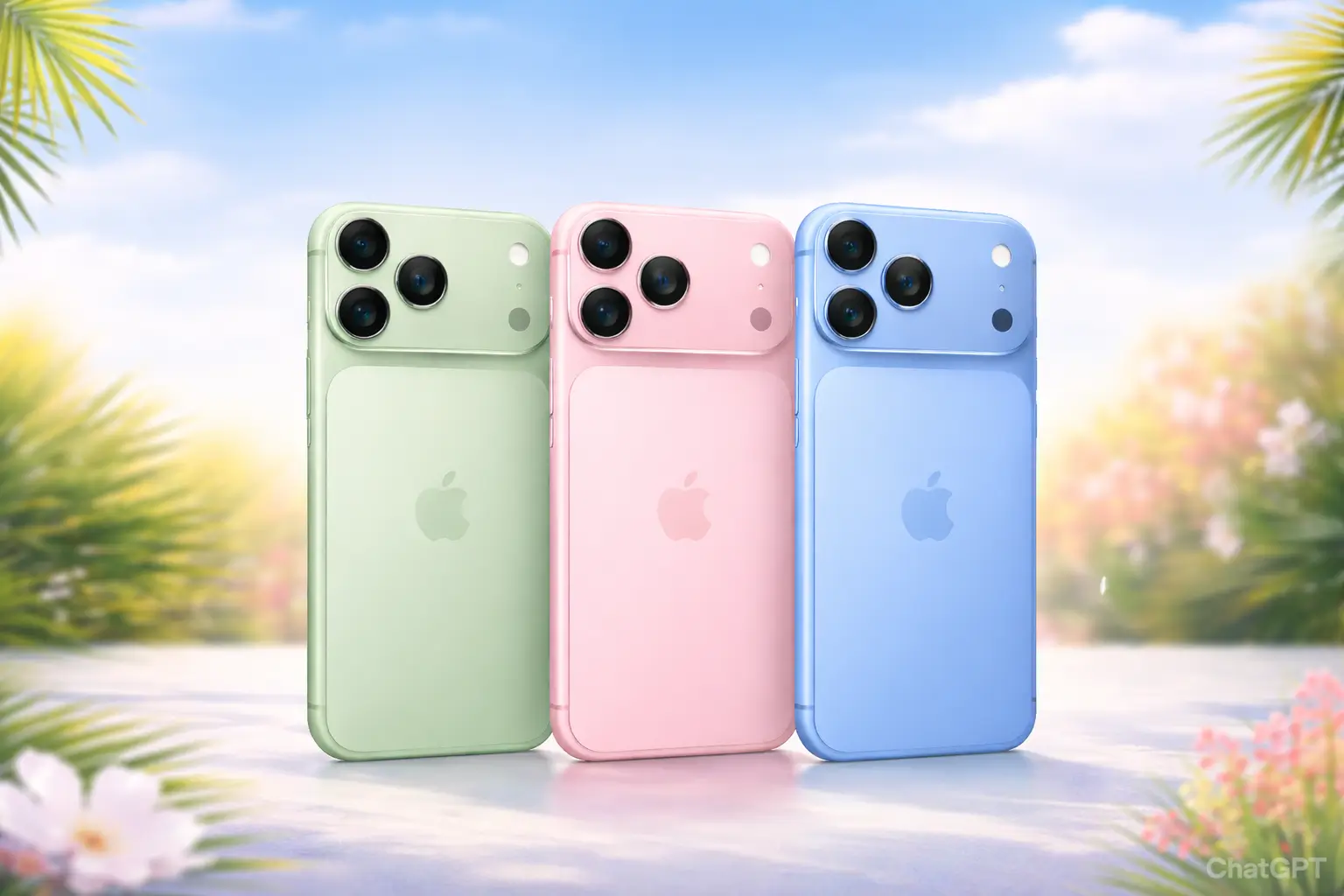
Apple’s iPhone launches are usually predictable: new models arrive every September, and the lineup feels familiar. But the upcoming iPhone 18 series is shaping up to be different.
According to multiple industry leaks and supply chain reports, Apple may adopt a split launch strategy for the first time in years. The iPhone 18 Pro and Pro Max are expected to launch in September 2026, while the standard iPhone 18 could arrive later in spring 2027, possibly alongside a more affordable “iPhone 18e” model.
It’s important to say clearly: everything discussed here is based on credible leaks and analyst predictions — not official announcements from Apple. Still, the rumors point toward meaningful upgrades, especially in performance, camera technology, and connectivity.
Let’s break it all down in a way that makes sense for everyday users.
If the leaks are accurate, the iPhone 18 series could represent:
In simple terms: this isn’t just a yearly refresh. It may be a deeper internal evolution.
From what we’re hearing, the overall design will remain similar to the iPhone 17 Pro lineup. Apple rarely changes everything at once. Instead, it refines.
One of the biggest expected changes is a smaller Dynamic Island. Apple may move some Face ID components under the display, reducing the visible cutout.
For users, this means:
It won’t feel revolutionary, but it will feel more polished.
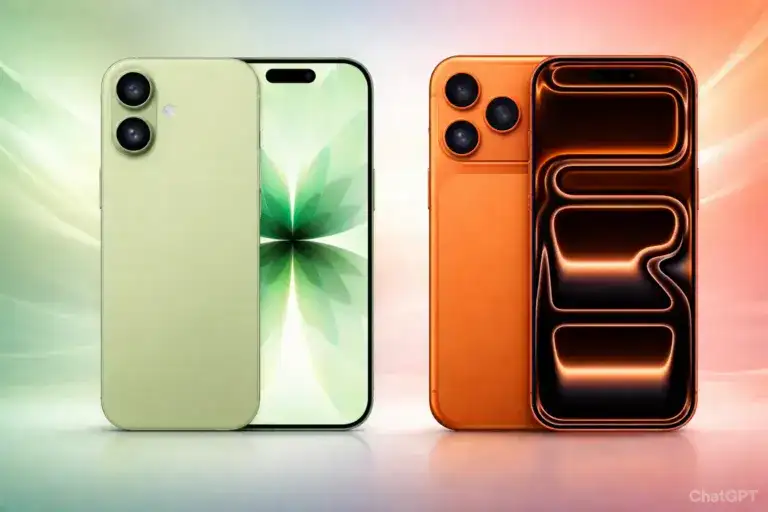
Rumored new color options include:
Apple typically uses colors to refresh interest without redesigning the entire device.
The regular iPhone 18 is expected to keep a similar design but with:
This likely means Apple will focus more on internal upgrades rather than dramatic visual changes.
For most users, that’s not a bad thing. iPhones already have premium build quality — aluminum or titanium frames, strong glass, and clean finishes.
The biggest internal upgrade may be the A20 and A20 Pro chips, reportedly built on a 2nm manufacturing process.
Now let’s explain what that means in simple terms.
Smaller nanometer numbers mean:
If Apple moves to 2nm, this would be a significant leap in efficiency compared to current chips.
For everyday users, this translates to:
Even if you’re not a “tech person,” you would feel the difference over time — especially if you keep your phone for 3–5 years.
Apple is increasingly focusing on AI features that run directly on the phone rather than in the cloud.
With the A20 Pro chip, we can expect:
The focus will likely be on practical AI — not flashy gimmicks.
This is where things get especially interesting.
The iPhone 18 Pro models are rumored to feature a variable aperture 48MP main camera.
If true, this is a significant change.
Most smartphone cameras have a fixed aperture. Variable aperture means the camera can physically adjust how much light enters the lens.
In real-world use:
This would bring smartphone photography closer to professional cameras.
The Pro models may also get:
For people who:
This could be a noticeable upgrade.
The standard model is expected to feature:
For most users who take selfies, video calls, and casual photos, the front camera improvement may actually be more meaningful than zoom upgrades.
While not officially confirmed, Apple usually improves:
If Apple keeps improving its video performance, the iPhone 18 Pro could remain one of the best phones for mobile content creators.
One of the most strategic changes could be Apple’s rumored C2 modem chip.
Instead of relying entirely on Qualcomm, Apple is gradually building its own modem technology.
There’s also talk of expanded 5G satellite connectivity, possibly enabling more than just emergency messaging.
If Apple allows full satellite-based internet in remote areas, that would be huge for:
However, this feature is still highly speculative.
The Pro Max model is rumored to feature:
That would be slightly larger than its predecessor.
However, a larger battery may also make the device slightly heavier.
For users who prioritize battery life over weight, this is a welcome trade-off.
No confirmed details yet on major charging speed upgrades. Apple typically prioritizes battery health over ultra-fast charging.
If you’re hoping for 120W charging like some Android brands, that’s unlikely.
The iPhone 18 series will likely launch with the next generation of iOS — probably iOS 20 (based on Apple’s naming pattern).
Apple’s strength isn’t just hardware. It’s the ecosystem:
For users already in the Apple ecosystem, upgrading often feels seamless.
According to analysts like Jeff Pu, Apple may keep pricing consistent with previous Pro models:
Despite rising production costs, Apple might avoid price increases to stay competitive.
The standard iPhone 18 pricing is still unknown.
Because this is based on leaks, several things remain uncertain:
Another potential concern: if Pro models launch months before the standard ones, buyers may feel pressured to choose more expensive devices.
If the rumors are accurate, the iPhone 18 Pro series could be one of the most meaningful upgrades in recent years — especially due to:
For everyday users, the biggest practical improvements will likely be:
However, nothing here suggests a radical redesign. This looks like an intelligent evolution rather than a revolution.
If you’re using a phone that’s 2–3 years old, waiting for the iPhone 18 could make sense.
If you already own the latest Pro model, the difference may feel incremental unless camera technology is your priority.
As always, the smartest decision is not about hype — it’s about your actual needs. If your current phone still works well, there’s no rush. But if you want cutting-edge performance and future-proof hardware, the iPhone 18 series is shaping up to be a strong contender.
We’ll know more once Apple makes official announcements. Until then, it’s best to treat these details as informed expectations — not guarantees.
And that’s the honest truth.